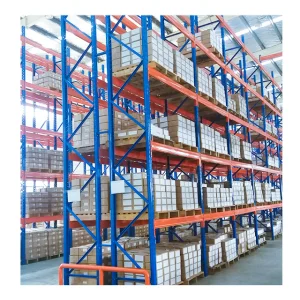
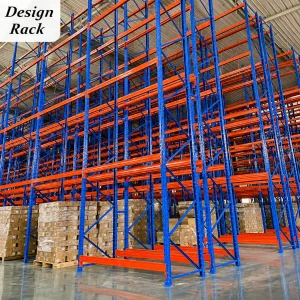
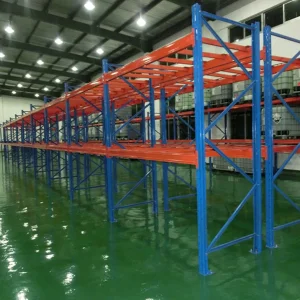
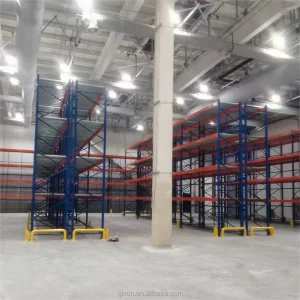
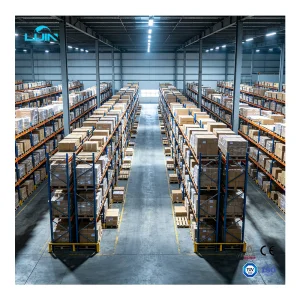
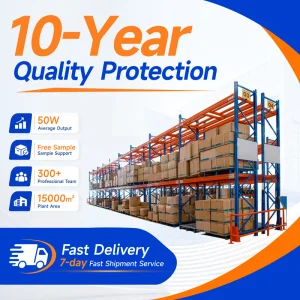
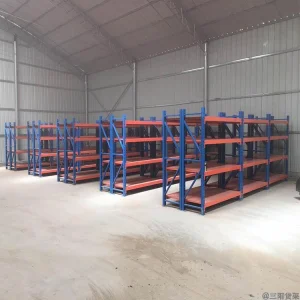
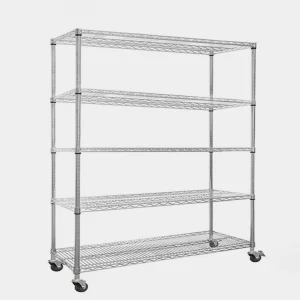
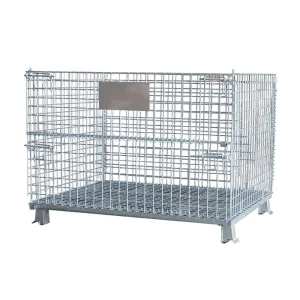
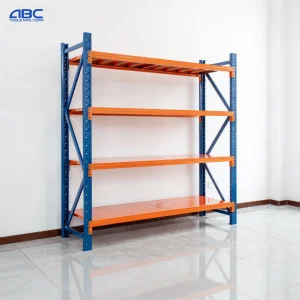
Explore our industrial-grade selective systems, engineered for maximum space optimization, structural durability, and high loading performance.
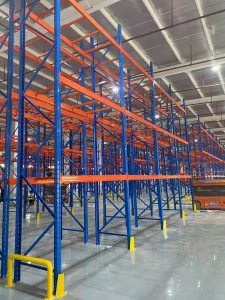
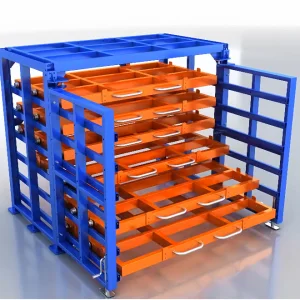
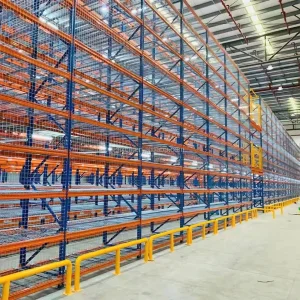
In modern industrial and logistics management, warehouse density and structural safety are vital to corporate profit margins. As supply chains globalize, heavy duty storage shelving has transitioned from basic raw metal frames into complex, highly engineered, stress-analyzed structures. This comprehensive white paper discusses structural integrity, engineering standards, material choices, and the specific supply chain advantages of partnering with a premier Chinese rack manufacturer like Nanjing Ciho Racks Co., Ltd.
The safety of any heavy-duty system begins with steel selection. The material must offer high yield strength, excellent ductility, and reliable weldability. Standard commercial shelves often utilize low-grade structural steel. In contrast, heavy-duty industrial systems engineered by Ciho Racks employ high-strength cold-rolled carbon steel, primarily graded as Q235B and Q355B (equivalent to European S235JR and S355JR, and American ASTM A36 and A572 Grade 50 respectively).
By applying specialized roll-forming processes, the profiles of upright columns are engineered with up to 13 structural bends. This geometric profile distributes load forces evenly, maximizing the radius of gyration and reducing the risk of torsional buckling under maximum capacity limits.
Industrial structural engineers calculate the safe load parameters of selective racking systems by assessing dynamic, static, and seismic forces. Under the FEM 10.2.02 (Fédération Européenne de la Manutention) and RMI MH16.1 standards, horizontal beam deflection under a safe working load (SWL) must not exceed L/200 (where L is the length of the span) or 1/200th of the clear span length.
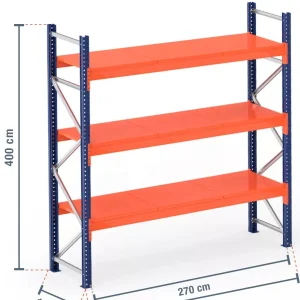
For example, in a standard 2700mm beam span designed to hold two pallets of 1000kg each, the allowable maximum deflection under full load is limited to 13.5mm. Exceeding this limit compromises structural integrity, causing stress concentration on the beam connectors and safety pins.
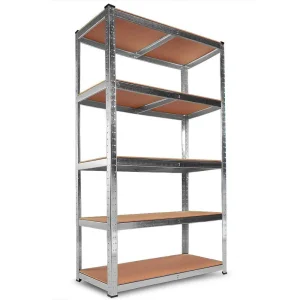
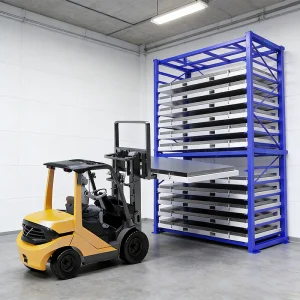
Heavy-duty applications demand distinct system configurations based on SKU diversity, load types, and handling frequencies:
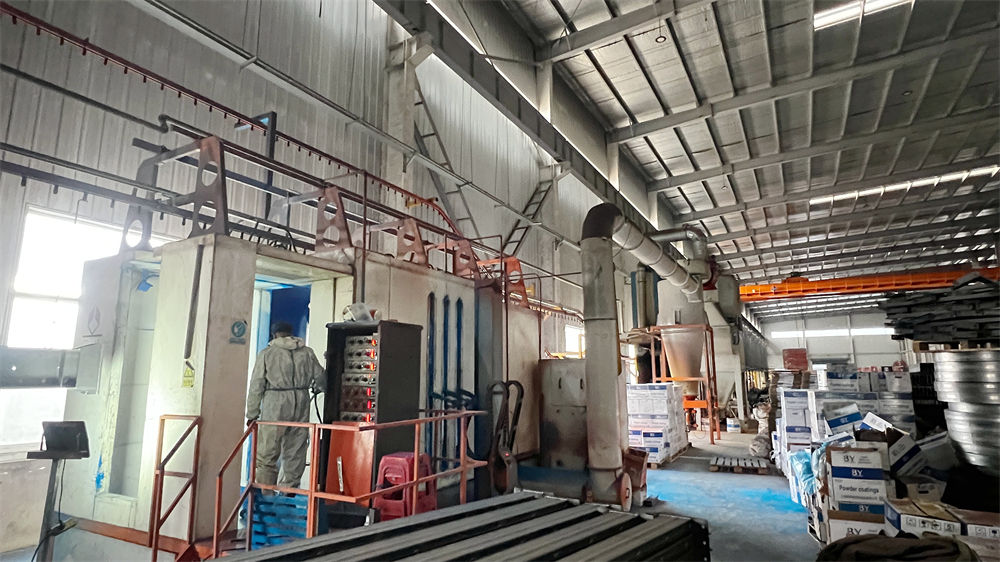
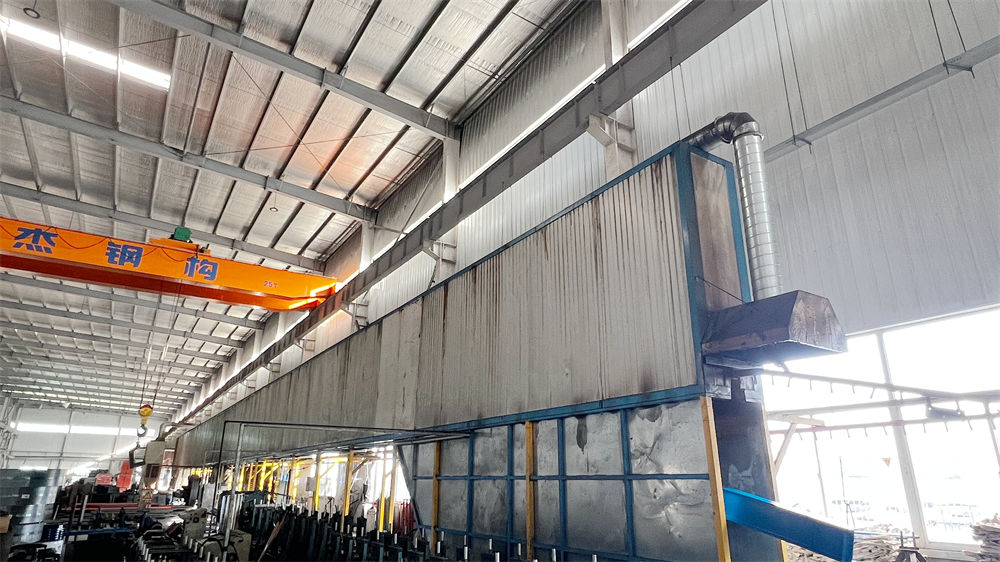
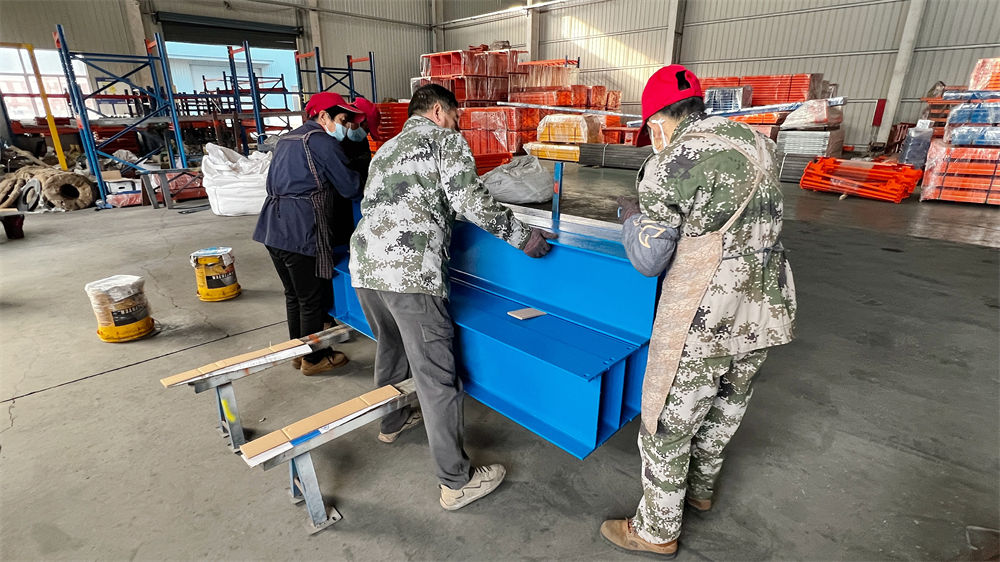
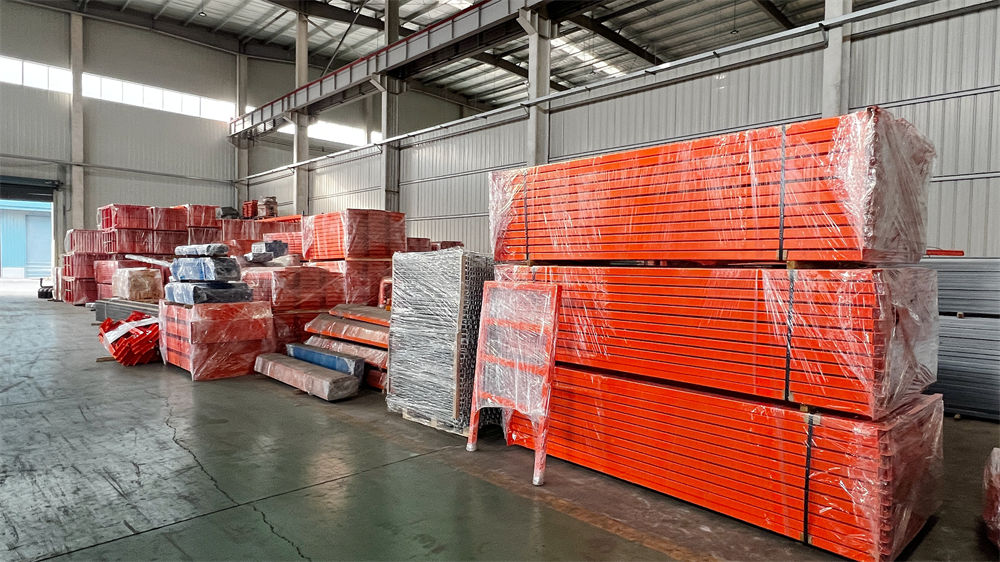
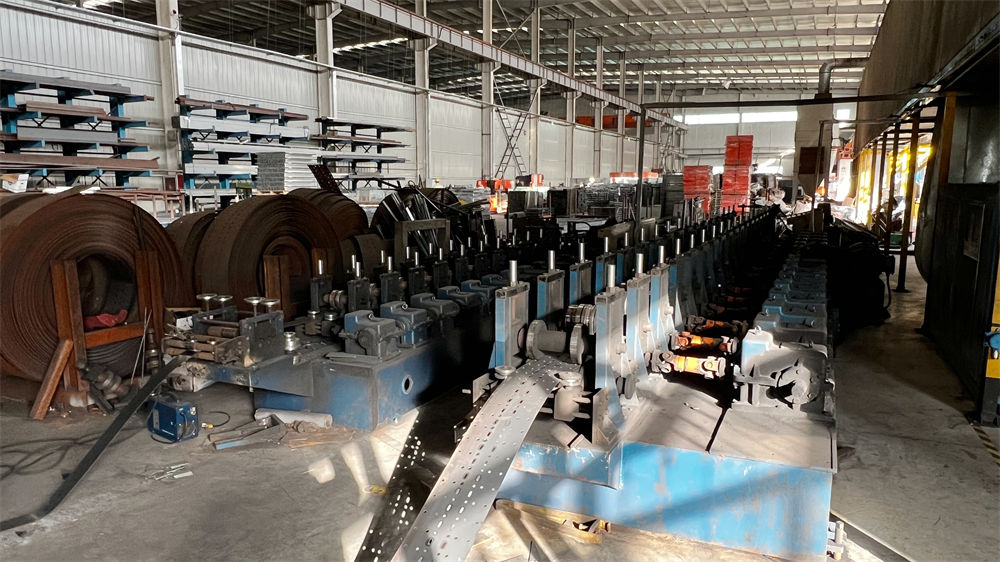
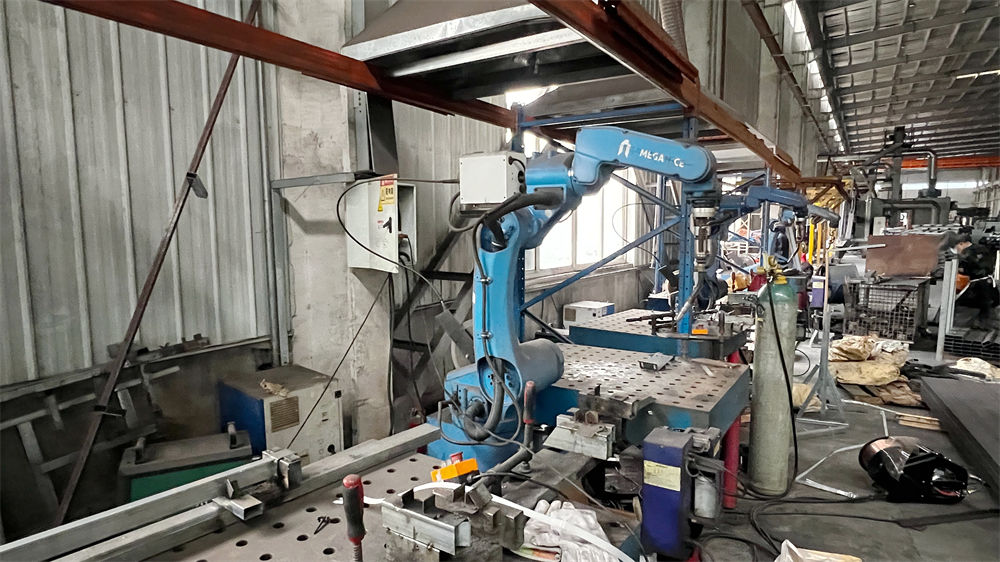
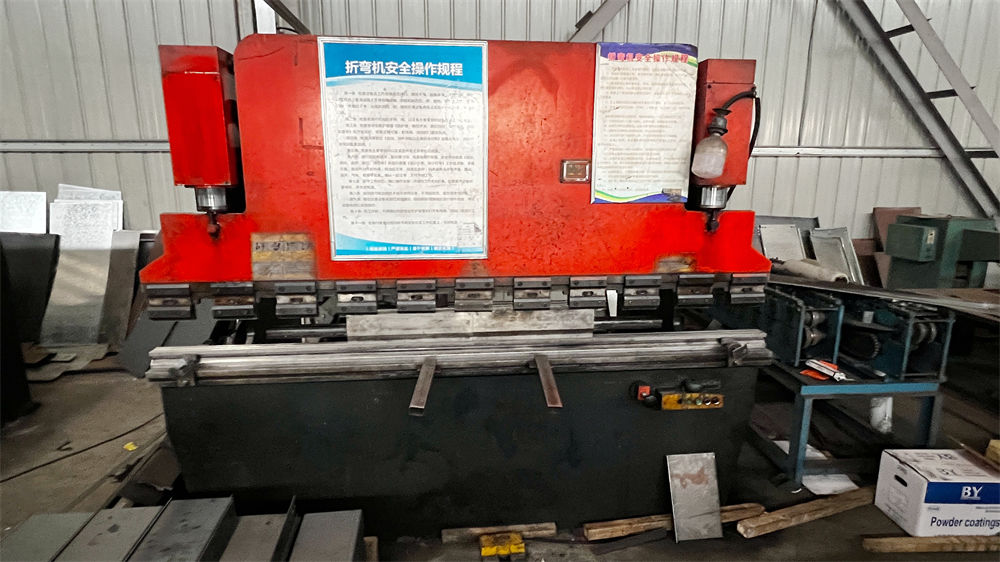
Step-by-step documentation of our advanced manufacturing line, illustrating the progression from raw material testing to automated fabrication.
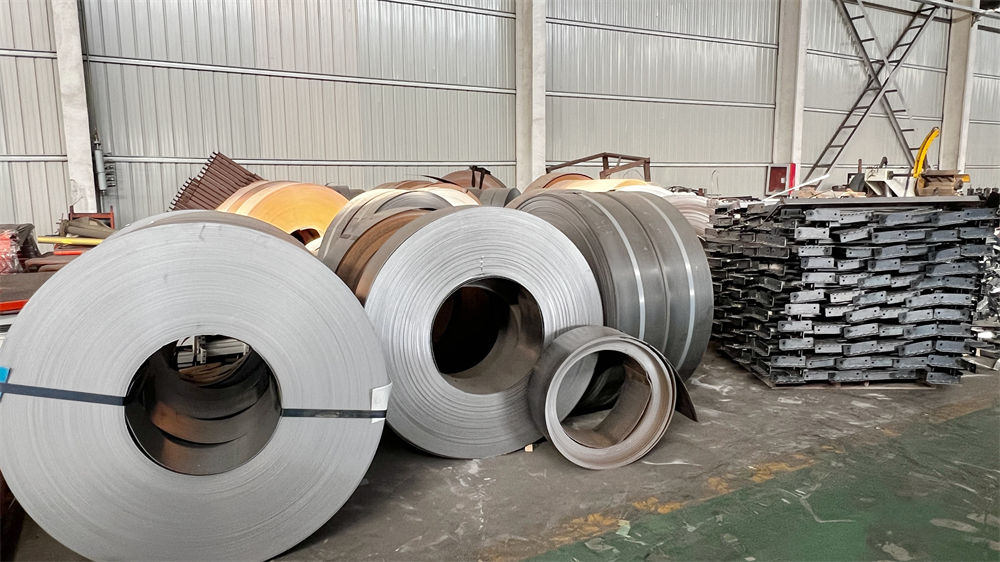
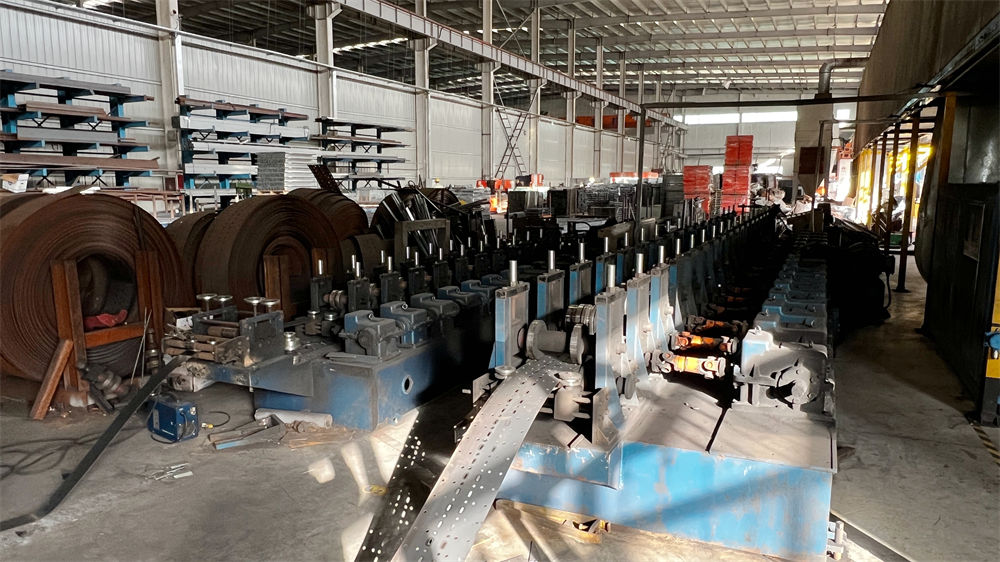
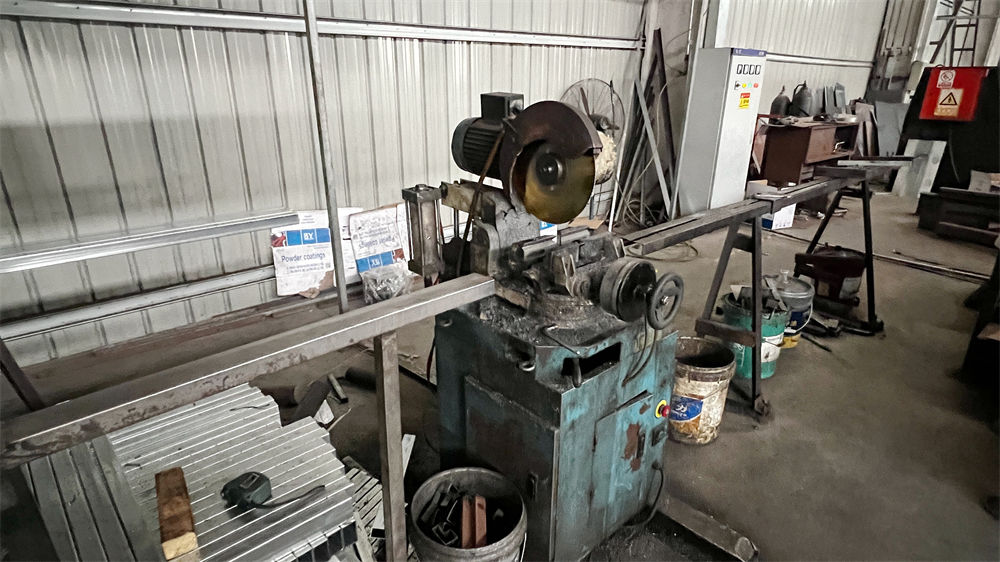
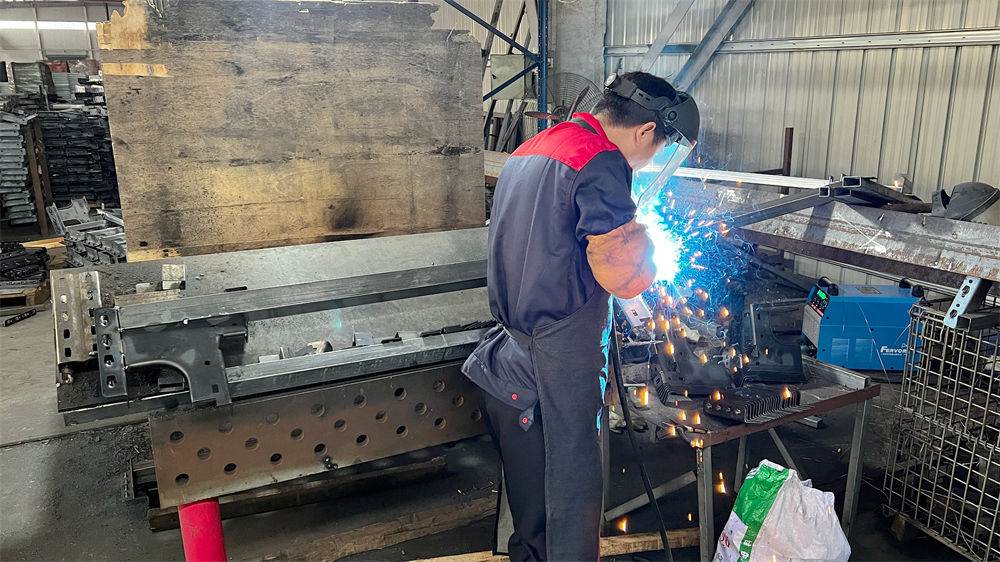
Global supply chain disruptions have highlighted the value of manufacturing ecosystems that balance raw material access, processing efficiency, and shipping logistics. China produces over 50% of the world's crude steel. This domestic output provides industrial racking manufacturers with key competitive advantages:
Proximity to state-owned steel mills ensures a stable supply of graded structural coil. Racking factories can purchase mill-certified batches of Q235B and Q355B with complete heat trace records. This local raw material availability buffers manufacturing schedules against global pricing fluctuations, ensuring consistent pricing and lead times for large-scale warehouse construction projects.
At Nanjing Ciho Racks, automated production equipment minimizes dimensional variation during fabrication. CNC Roll-forming lines shape upright profiles with millimeter-level precision, while robotic welding workstations apply consistent penetration to load-bearing parts like beam end-connectors. This automation ensures structural consistency across thousands of manufactured racking bays, a key factor in keeping systems plumb and secure over decades of operation.
A key factor in durability is surface treatment. Our automated powder-coating lines apply a pre-treatment process to remove oils, rust, and scale from the steel. This is followed by the electrostatic application of epoxy-polyester powder, which is cured at 200°C. The resulting finish is a scratch-resistant, impact-absorbing outer layer. This protective barrier shrugs off minor impacts from forklifts and resists corrosive humidity in cold-storage and maritime warehouse environments.
Industrial storage solutions require strict engineering compliance to safeguard personnel and protect capital equipment. Before installing a heavy-duty racking layout, procurement managers must verify that the designs comply with regional structural and building code guidelines:
Applies to installations across Australia and Oceania. Dictates rigorous structural testing of steel uprights and beams, placing limitations on tolerances, clearances, and placement of baseplates.
The standard for the North American market. Governs cold-formed steel racking design, requiring calculations for seismic loads, load-application factors, and frame configurations.
European design codes detailing testing, calculation methodologies, and tolerances for adjustable pallet racking, with safety-coefficient margins for load-bearing structures.
In seismic regions, a standard static racking system is at risk of collapse. High-risk zones require custom structural calculations using Finite Element Method (FEM) software. The racking baseplates must be oversized and anchored with specialized expansion anchors. These components transmit kinetic energy from the floor slab into the vertical uprights, preventing sway and keeping uprights anchored during seismic events.
Nanjing Ciho Racks Co., Ltd. is a professional manufacturer and supplier specializing in warehouse storage systems and industrial racking solutions. With years of experience in the material handling industry, we are committed to providing efficient, durable, and cost-effective storage solutions for customers worldwide.
Our product range includes selective pallet racks, drive-in racks, cantilever racks, mezzanine systems, longspan shelving, steel platforms, carton flow racks, and customized warehouse storage solutions. Designed for maximum space utilization and operational efficiency, our products are widely used in logistics centers, manufacturing facilities, distribution warehouses, e-commerce fulfillment centers, and retail storage applications.
At Ciho Racks, quality is our top priority. From product design and raw material selection to manufacturing and final inspection, every step is carried out under strict quality control standards to ensure reliability, safety, and long service life. Our experienced engineering team works closely with customers to develop tailored storage solutions that meet specific warehouse requirements.
Driven by innovation, customer satisfaction, and continuous improvement, we have established long-term partnerships with clients across Europe, North America, Southeast Asia, the Middle East, and many other regions.
Nanjing Ciho Racks Co., Ltd. is dedicated to delivering high-quality products, competitive pricing, on-time delivery, and professional technical support. We look forward to becoming your trusted partner for warehouse storage and logistics solutions.
To optimize warehouse space and improve logistics efficiency by providing innovative, safe, and reliable storage solutions for customers around the world.
Got questions about specifications, installation, or structural compliance? Read our technical responses below.
Q235B is carbon structural steel with a yield strength of 235 MPa, widely used for standard rack parts and horizontal beams. Q355B is a low-alloy, high-strength steel with a yield strength of 355 MPa. We use Q355B for high-profile upright columns and heavy load-bearing structural frames to support heavy loads without adding unnecessary dead weight to the warehouse floor.
Our quality control covers three main steps: Raw Material verification, In-line Manufacturing monitoring, and Post-production load testing. Every raw material coil comes with a Mill Test Certificate (MTC). We verify the physical dimensions, welding quality, and powder coating thickness (guaranteed 60–80 microns) before the products are packed and shipped.
Yes. Our engineering designs follow EN 15512 standards for Europe, RMI / ANSI MH16.1 standards for the United States, and AS4084-2012 for the Australian market. We provide layout plans, structural drawings, and safety load calculation sheets for all custom warehouse projects.
Lead times range from 20 to 30 days from structural sign-off to container loading. This timeline includes drawing approvals, roll-forming, welding, powder coating, and seaworthy packaging. The final shipping duration depends on the destination port.
Complete your warehouse layout with these specialty industrial systems, designed for storage optimization, heavy machinery loads, and long-term durability.
 Ciho Racks