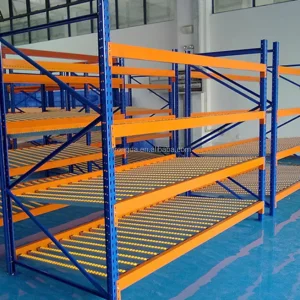
Pallet Flow Racking Factories & Factory

High-Density Gravity Flow Solutions & Precision Manufacturing for Intelligent Global Warehousing

Global Industrial Landscapes & The Evolution of Gravity Pallet Flow Racking

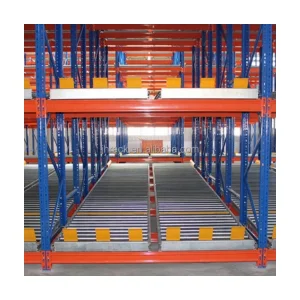
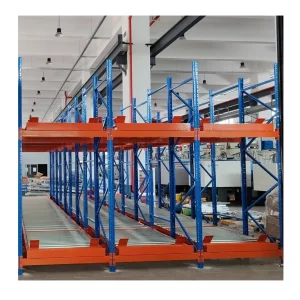
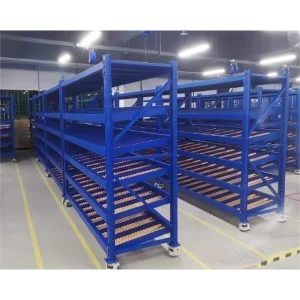
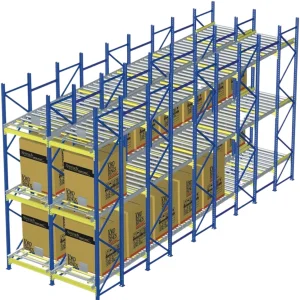
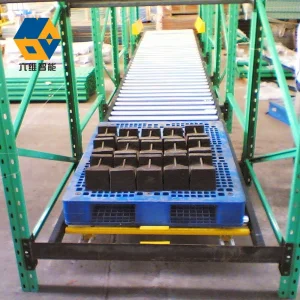
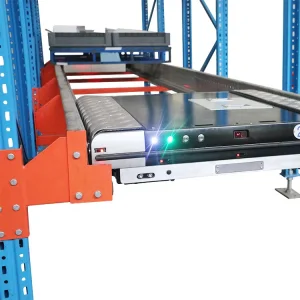
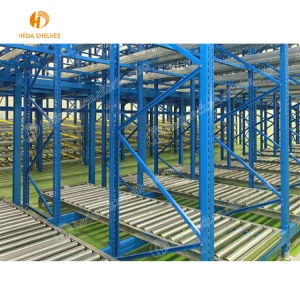
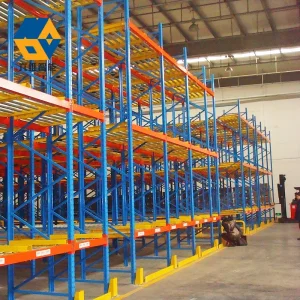
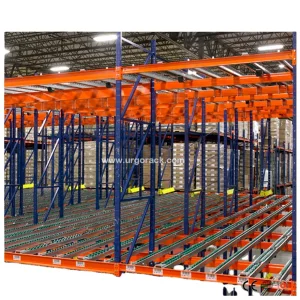
In the era of modern logistics, supply chains demand hyper-efficiency, space optimization, and flawless inventory control. Heavy-duty pallet flow racking systems (commonly referred to as gravity flow systems) stand at the forefront of this industrial revolution. Moving away from standard static shelving, dynamic gravity flow racking operates on a First-In, First-Out (FIFO) retrieval methodology, leveraging the power of gravity to cycle pallets effortlessly along slightly sloped roller beds.

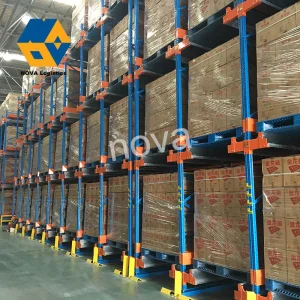
Global supply chain logistics hubs are operating under unprecedented pressure. From e-commerce mega-fulfillment centers to strict temperature-controlled pharmaceutical warehouses, spatial economy is no longer a luxury—it is a core metric of profitability. Racking factory engineers study load kinematics, brake roller deceleration limits, and structural steel tolerances to construct heavy-duty flow racking systems capable of storing up to 20 pallets deep. This maximizes square footage while eliminating dedicated travel lanes for reach trucks within the racking depth.

60%
Space Savings vs. Selective
100%
Strict FIFO Product Rotation
20+
Pallet Depth Capability
Q235B+
High-Tensile Certified Steel
⚙️The Engineering Science of Gravity Flow Mechanisms

A reliable pallet flow rack is not merely a collection of steel frames and rollers; it is a meticulously engineered, dynamic logistics system. The functionality depends on three primary variables:

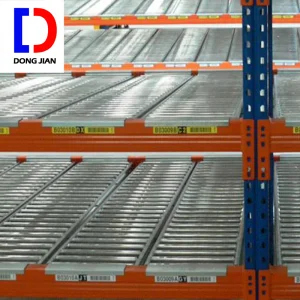
  • Incline Gradient Optimization: Typically pitched between 3% to 4%, the slope must be mathematically balanced according to pallet weight ranges to ensure smooth movement without runaway acceleration.
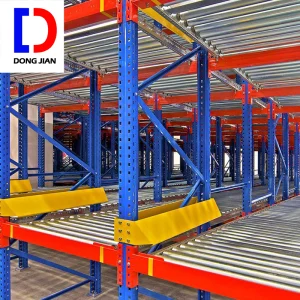
  • Dynamic Speed Controllers (Braking Rollers): Direct-drive or indirect-drive brake rollers are integrated along the track. These devices control the speed of the descending pallet, preventing impact-related product damage and ensuring operator safety.
  • Separators & Entry Guides: Heavy-duty mechanical separation devices isolate the picking-face pallet from the cumulative back-pressure of the line, allowing forklift drivers to retrieve pallets smoothly and safely.
"By separating the loading aisle from the retrieval aisle, forklift operations are segregated, cutting cycle times by up to 40% and reducing warehouse traffic collisions dramatically."
About Nanjing Ciho Racks Co., Ltd.

Nanjing Ciho Racks Co., Ltd. is a leading manufacturer and supplier specializing in high-performance warehouse storage systems and heavy-duty industrial racking solutions. With decades of manufacturing experience in the material handling sector, we design, test, and deliver robust storage setups designed to scale industrial throughput and secure operational continuity.

Our extensive product catalog features advanced selective pallet racks, drive-in systems, cantilever structures, mezzanine platforms, carton flow arrays, and customized heavy-duty warehouse racking solutions. Engineered to deliver unmatched space efficiency and structural durability, our systems are deployed globally by logistics providers, food distribution centers, pharmaceutical plants, and high-velocity manufacturing units.

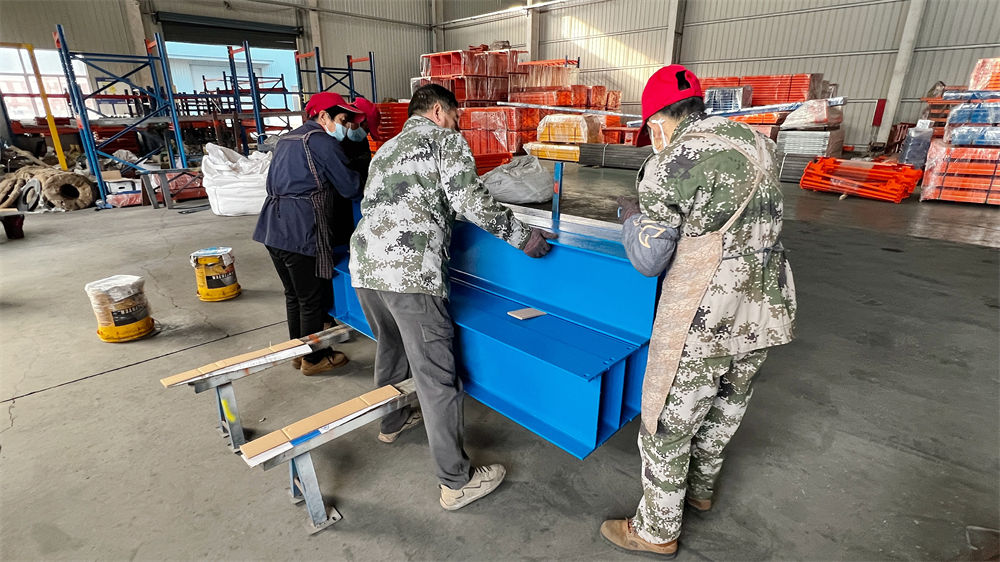
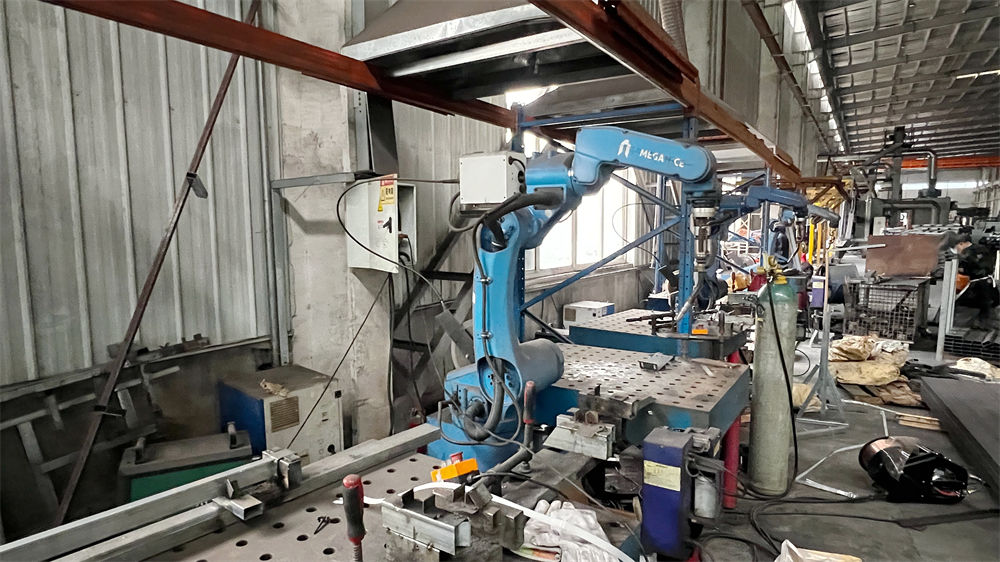
At Ciho Racks, quality is built into every step of our process. From the structural engineering stage and raw Q235B/Q345B steel procurement to automated robot welding and electrostatic powder coating, we follow ISO 9001 and CE-certified testing protocols to guarantee structural safety and stability.

Core Manufacturing & Supply Chain Advantages
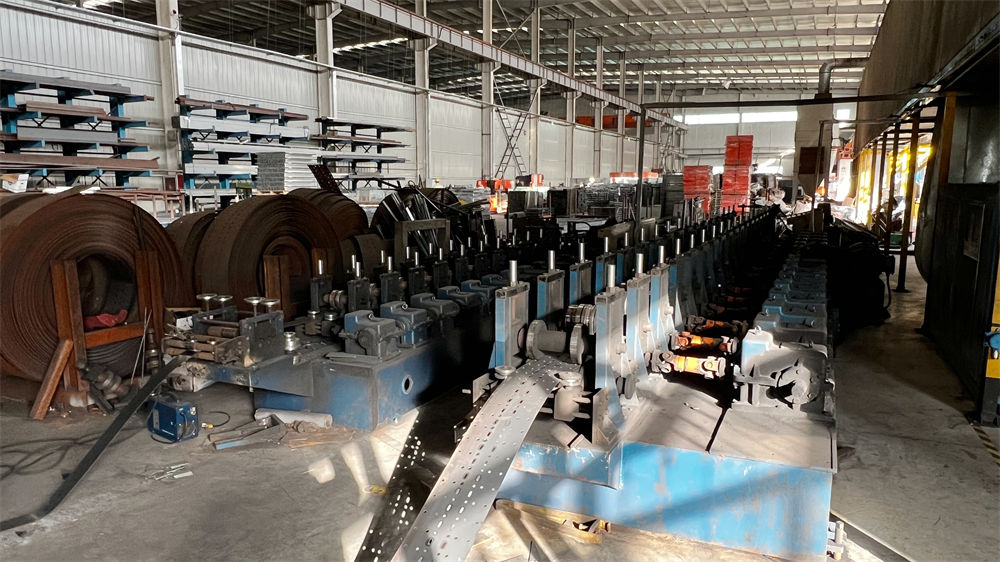
  • Advanced Racking Manufacturing Plant: State-of-the-art facility featuring automated profiling, roll-forming, and robotic welding stations.
  • Engineered Industrial Customization: Tailored rack depths, roller diameters, and custom speed controllers designed for specific pallet profiles.
  • Strict Structural Quality Assurance: Third-party verified load capacity testing, weld integrity inspection, and powder-coating thickness analysis.
  • End-to-End OEM & ODM Capabilities: Rapid translation of CAD drawings and warehouse layout designs into durable structural steel components.
  • Global Export Expertise & Logistical Support: Decades of experience coordinating ocean freight, customs clearances, and on-site engineering consultations.
Vertical Integration: From Raw Steel to Final Inspection

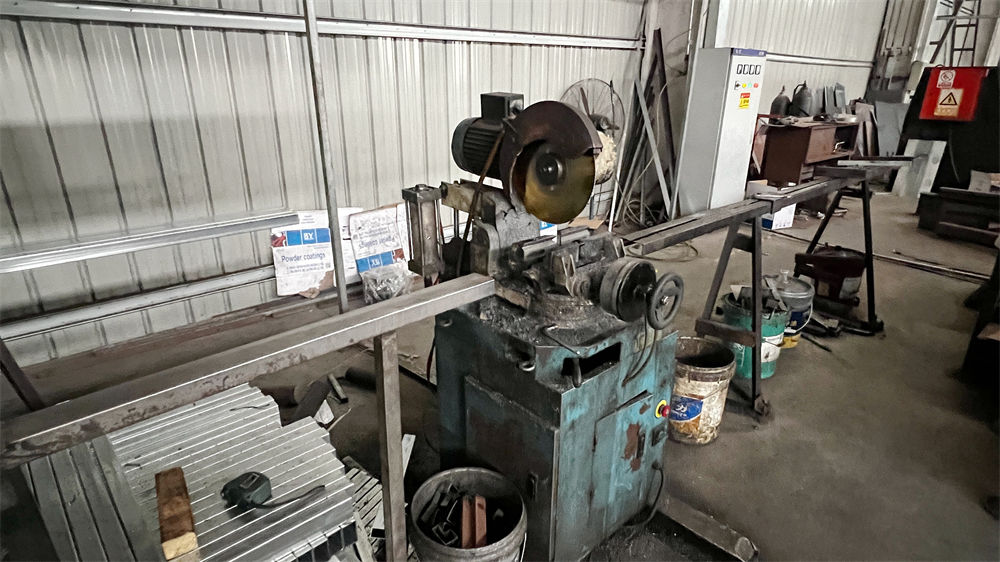
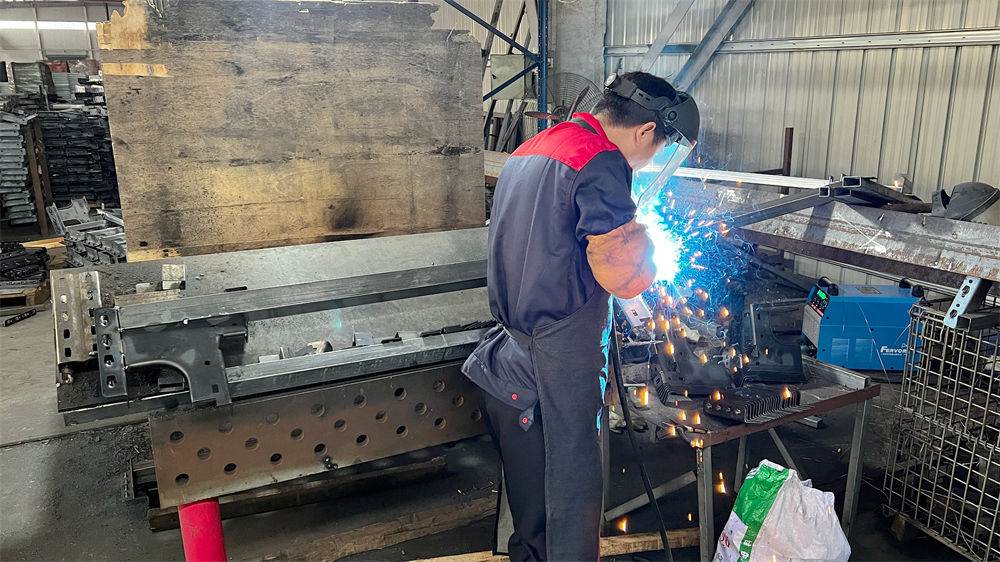
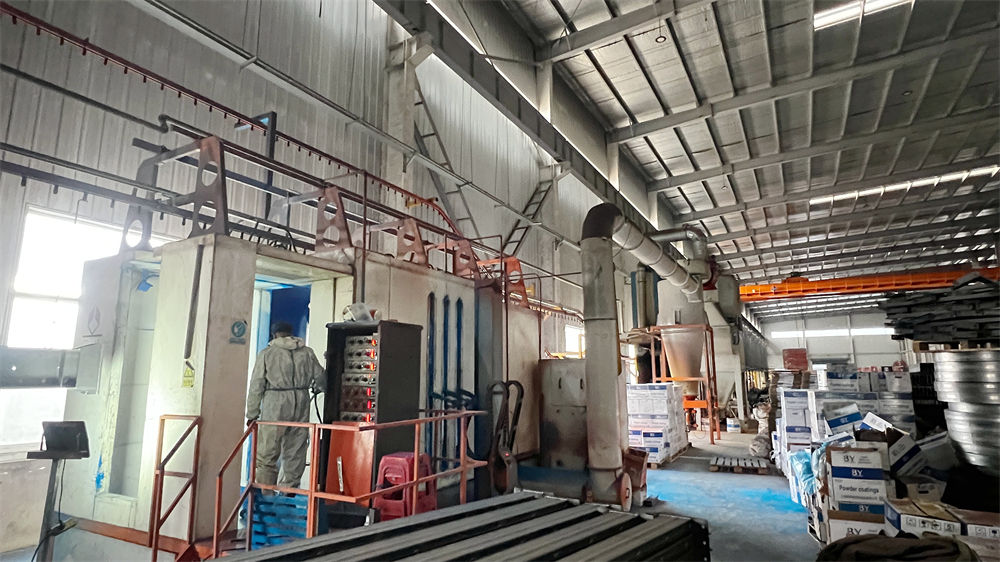
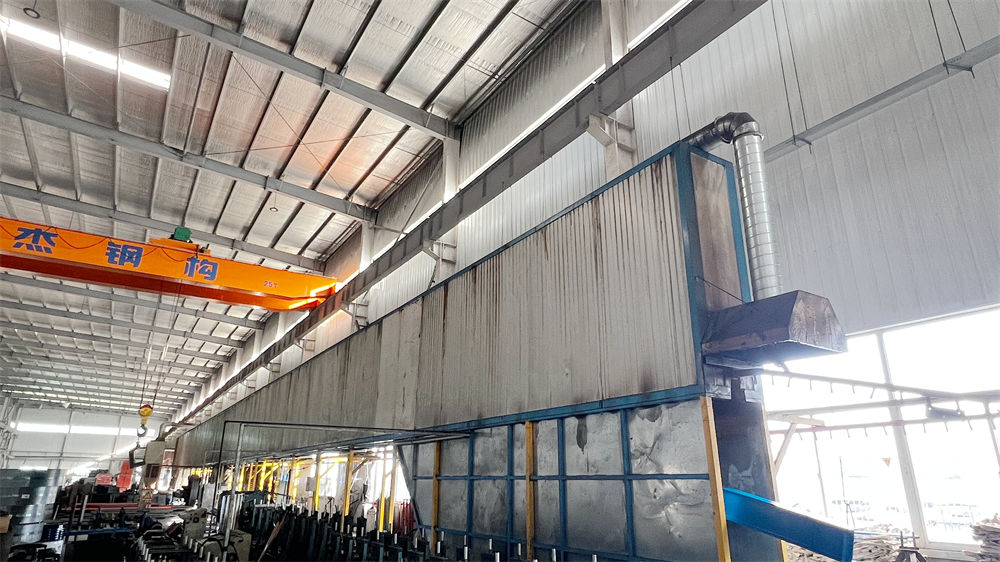
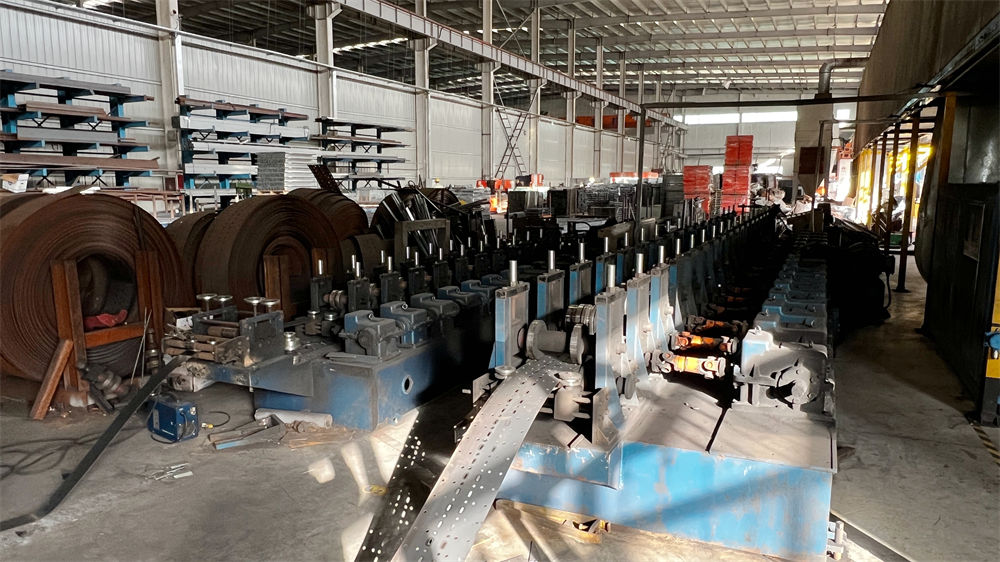
Our manufacturing process is designed around repeatability and high tolerances. Cold-rolled steel coils undergo precise roll-forming, cutting, robot-assisted structural welding, and electrostatic powder coating inside our modern facility. See our production steps below:
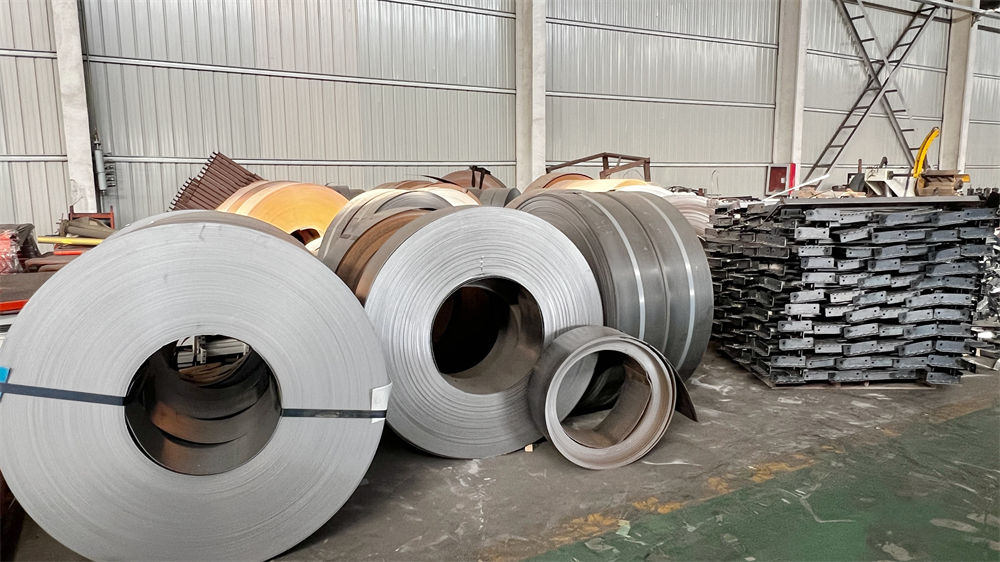
Raw Materials Racking Steel Coil
Raw Materials
Stretch Forming Process
Stretch Forming
Cutting Steel Profiles
Cutting
Welding Process Racks
Welding
Powder Painting System
Painting
Drying Oven Processing
Drying
Inspection and Packing Control
Inspection & Packing
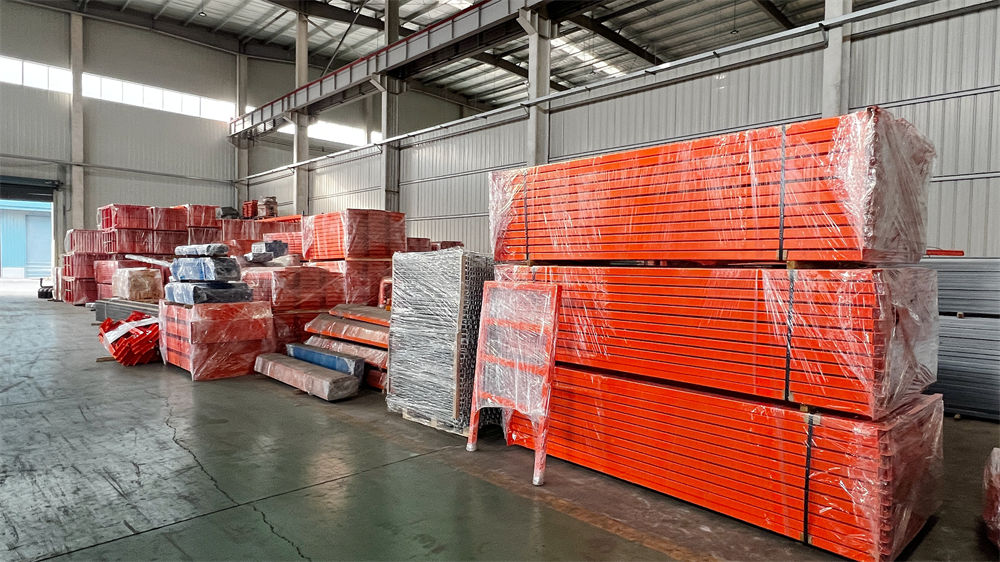
Finished Product Storage
Storage
Automated Stretch Forming Machine
Stretch Forming Machine
Robot Welding Machine Racking Factory
Robot Welding Machine
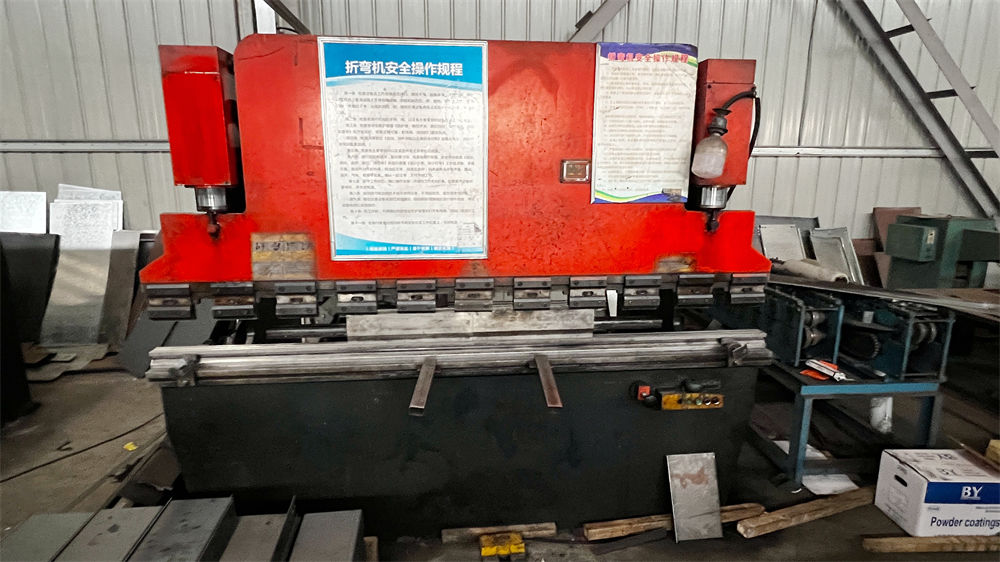
Bending Machine Metalworking
Bending Machine
Why Source from Chinese Pallet Flow Racking Factories?

The international supply chain requires agility, structural dependability, and cost-effectiveness. Chinese racking manufacturers, located within highly integrated industrial zones like Nanjing, offer significant structural advantages over regional suppliers:

1. Material Sourcing & Metallurgy

Direct proximity to top global steel manufacturers enables immediate access to structural Q235B and Q345B steel grades. High structural load capacities are guaranteed via uniform yield strength and certified raw material tracking.

2. Advanced Production Economy

By utilizing robotic welding systems and continuous roll-forming lines, Chinese factories maintain high dimensional accuracy and consistency across complex gravity-flow components like roller beds, speed controller brackets, and heavy-duty frame connections.

3. End-to-End System Testing

Integrated production ecosystems enable on-site factory testing of the gravity rollers under load conditions. This ensures speed controllers, dynamic braking, and mechanical separators function correctly before packing and global shipment.

Localization Scenarios & Heavy-Duty Storage Use Cases

Every market presents unique storage challenges, structural standards, and operational preferences. Our gravity flow systems are customized for diverse industry-specific applications:

Cold Storage & Food Distribution

In temperature-controlled zones, footprint efficiency is paramount due to high energy costs. Ciho's gravity racks use low-temperature lubricants and specialized dynamic braking components, functioning efficiently in environments down to -30°C.

Pharmaceutical Inventory Control

Strict adherence to FIFO rotation is a regulatory requirement for perishable products. Gravity flow racking ensures that stock loaded first is retrieved first, preventing expired inventory losses and streamlining audits.

Automotive Assembly & Buffer Warehousing

Automotive manufacturing requires a reliable flow of raw parts to assembly stations. Heavy-duty pallet flow racks store raw steel components and bulky subsystems, feeding assembly lanes with minimal forklift activity.

Technical Roadmap & Future Developments in Gravity Flow Racking

The future of material handling lies in the integration of structural racking with digital warehouse technology. At Ciho Racks, we are monitoring and developing next-generation gravity solutions to improve warehouse productivity:

IoT-Enabled Dynamic Speed Rollers

Integrating smart sensors inside dynamic braking rollers allows operators to track the location, speed, and status of pallets in the lanes, helping to prevent blockages or stuck inventory.

AGV & AMR Compatibility

Modern distribution facilities are adopting automated guided vehicles. We design our pallet flow lanes with customized entry guides and level picking faces to facilitate seamless AGV interface and pickup.

Eco-Friendly & Durable Coatings

Replacing traditional solvent-based finishes with advanced zero-emission, VOC-free electrostatic powder coatings ensures wear resistance, rust protection, and alignment with environmental standards.

International Engineering Standards & Quality Compliance

Industrial safety is our top priority. Storing heavy pallet loads on an inclined track requires structural calculations, weld testing, and overload margins. Nanjing Ciho Racks systems are designed and manufactured in accordance with strict international standards:

  • RMI Standards (Rack Manufacturers Institute): Alignment with North American structural design requirements, including specific calculations for seismic stability.
  • EN 15512 European Code: Compliant with European specifications for steel static storage systems, including beam deflection limits and upright structural margins.
  • FEM 10.2.02 Standards: Designed to meet the guidelines of the European Federation of Materials Handling for safe gravity flow storage.
  • Seismic Engineering & Structural Adjustments: Custom dynamic racking designs built to withstand regional seismic loads, including reinforced baseplates and specialized floor anchoring systems.
Frequently Asked Questions (FAQ)
What is the optimal pallet weight range for gravity flow racking?
Pallet flow systems are typically engineered to accommodate pallet weights ranging from 300 kg (660 lbs) up to 1,500 kg (3,300 lbs). The design of the roller spacing, roller diameter, and brake system is matched to the specified weight range to ensure reliable, controlled flow down the slope.
How does a pallet flow system control pallet descent speed?
To control velocity, speed controller rollers (centrifugal brake rollers) are integrated into the roller tracks at engineered intervals. When a pallet rolls over a speed controller, the internal mechanism generates resistance proportional to the speed, slowing the pallet to a safe, steady pace.
Can standard wood pallets be used in gravity flow systems?
Yes, standard wooden pallets (such as GMA or EURO pallets) can be used, provided they are in good structural condition. Damaged boards, missing bottom slats, or protruding nails can obstruct the rollers and cause pallets to stall. Plastic pallets, metal skids, and customized pallets can also be accommodated using specialized roller configurations.
How does the system handle "back pressure" from accumulated pallets?
Back pressure is the cumulative force exerted by rear pallets pushing against the pallet at the front (discharge face). To ensure safe retrieval by forklifts, mechanical pallet separators are installed at the front of the lane. These isolate the first pallet from the trailing queue, allowing safe extraction without the load binding.
Are there special maintenance requirements for dynamic racking systems?
Since gravity flow racks have moving parts, periodic visual inspections are recommended. Maintenance checks should focus on ensuring the roller tracks are free of debris, verifying that the dynamic brake rollers rotate freely, and inspecting the entry guides for any impact damage from forklift forks.
All Pallet Flow Racking Products